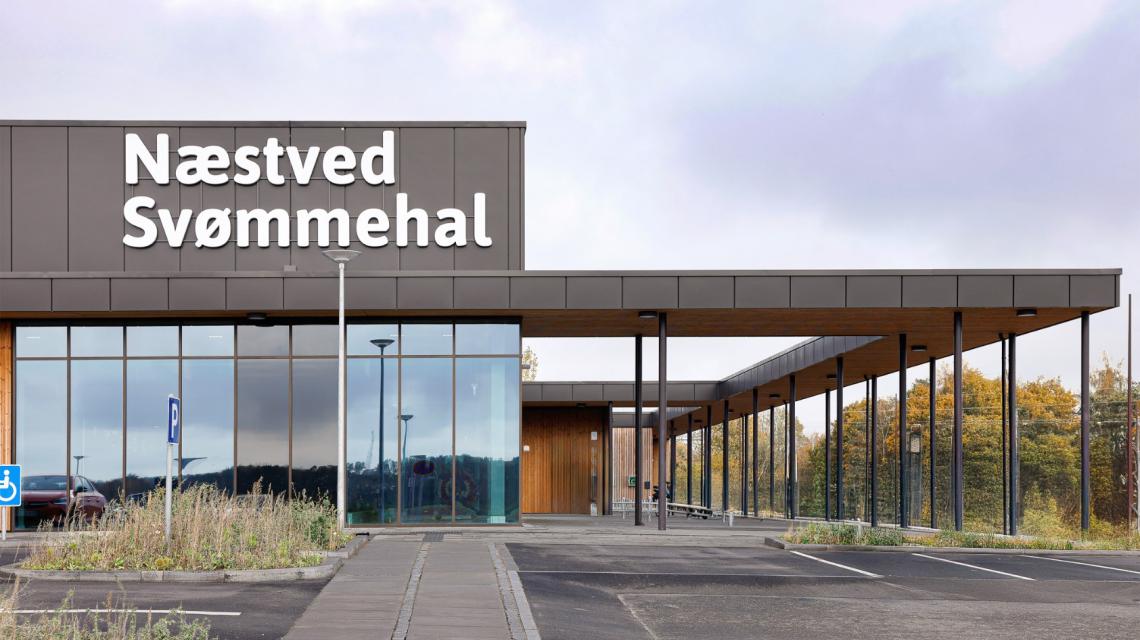
Næstved Swimming Facility
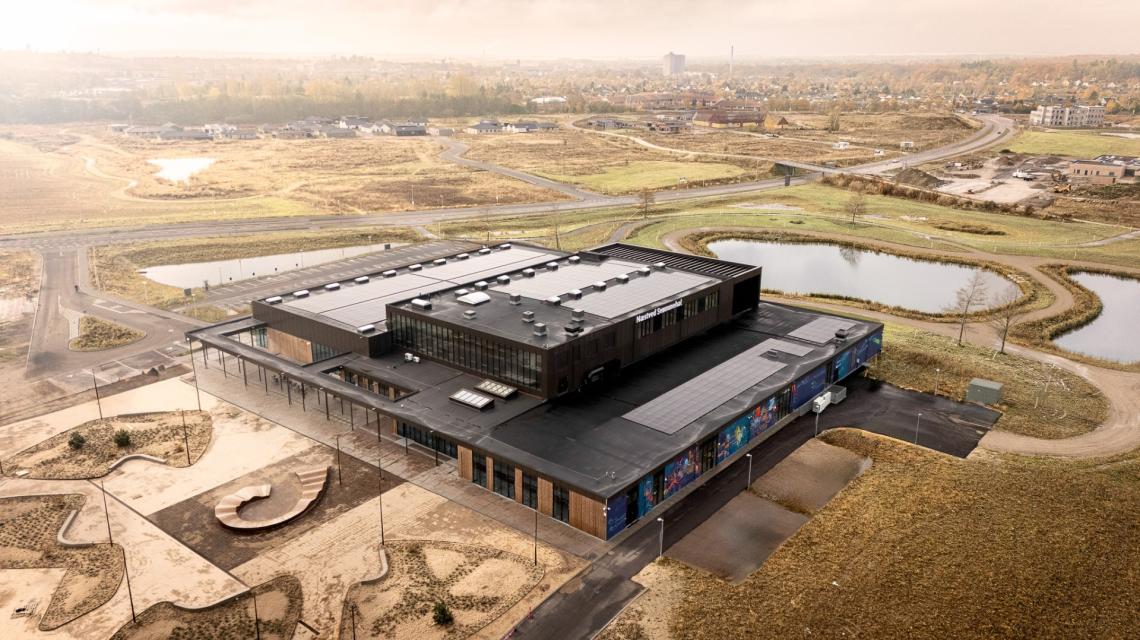
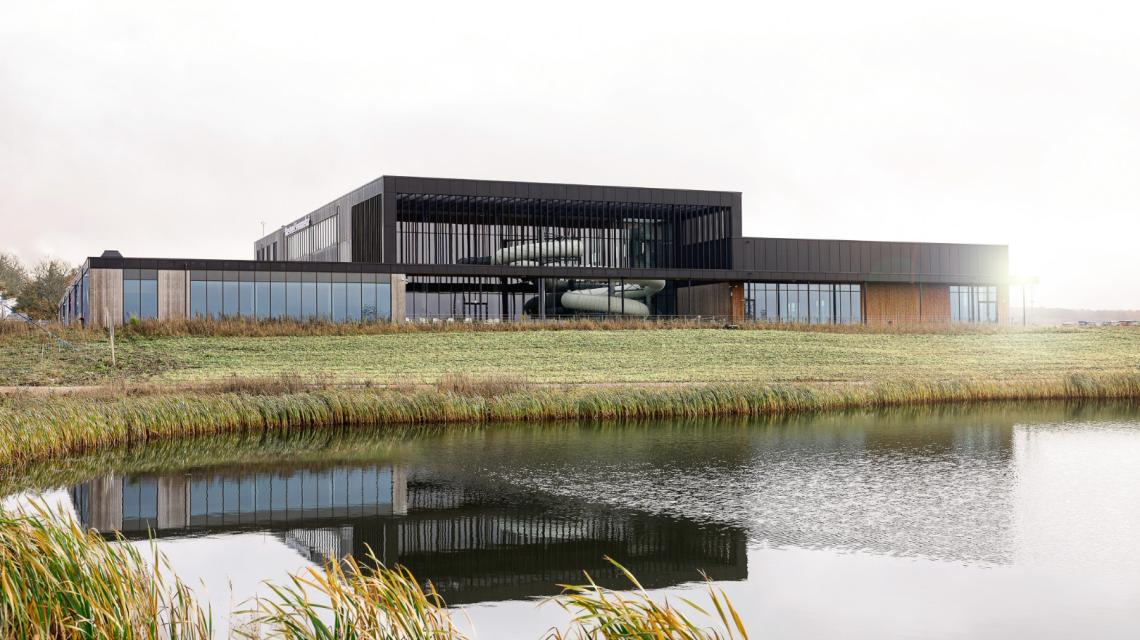
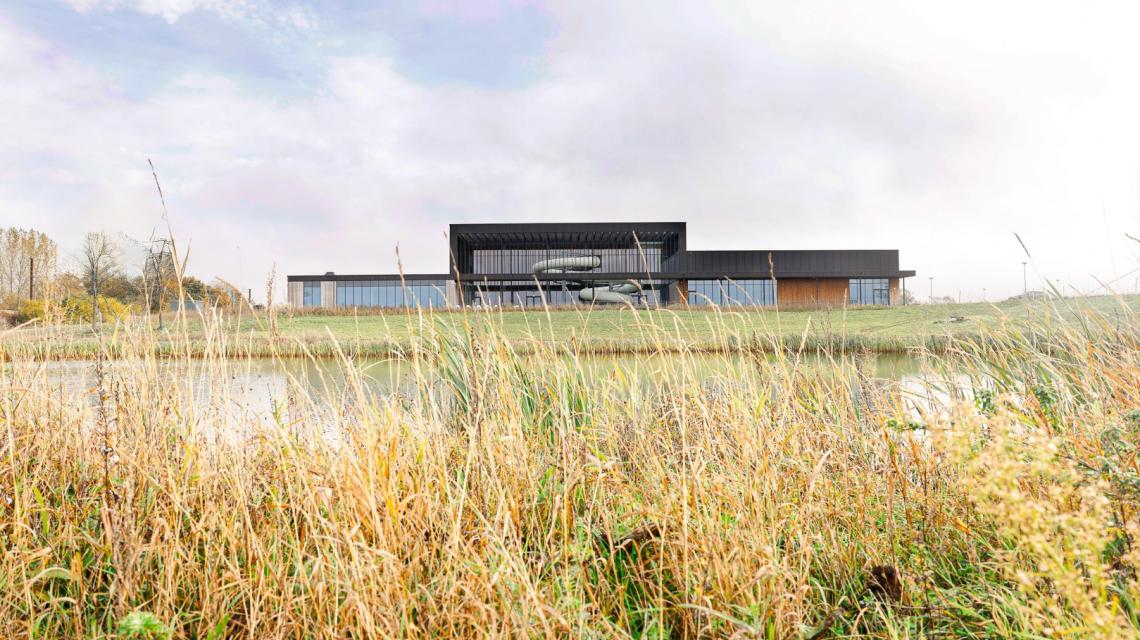
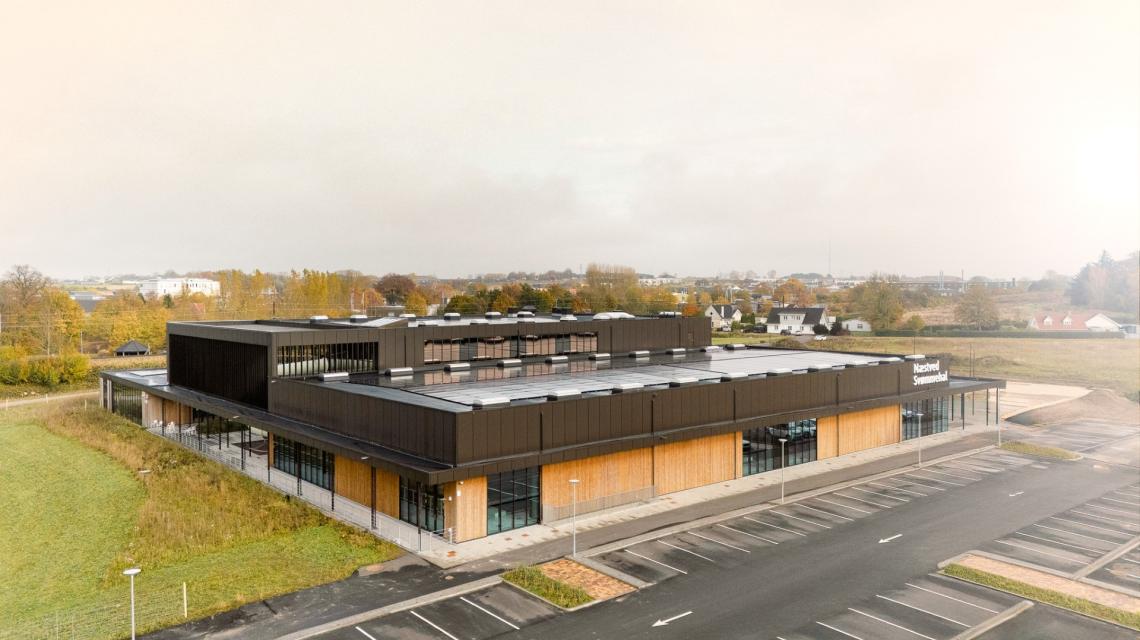
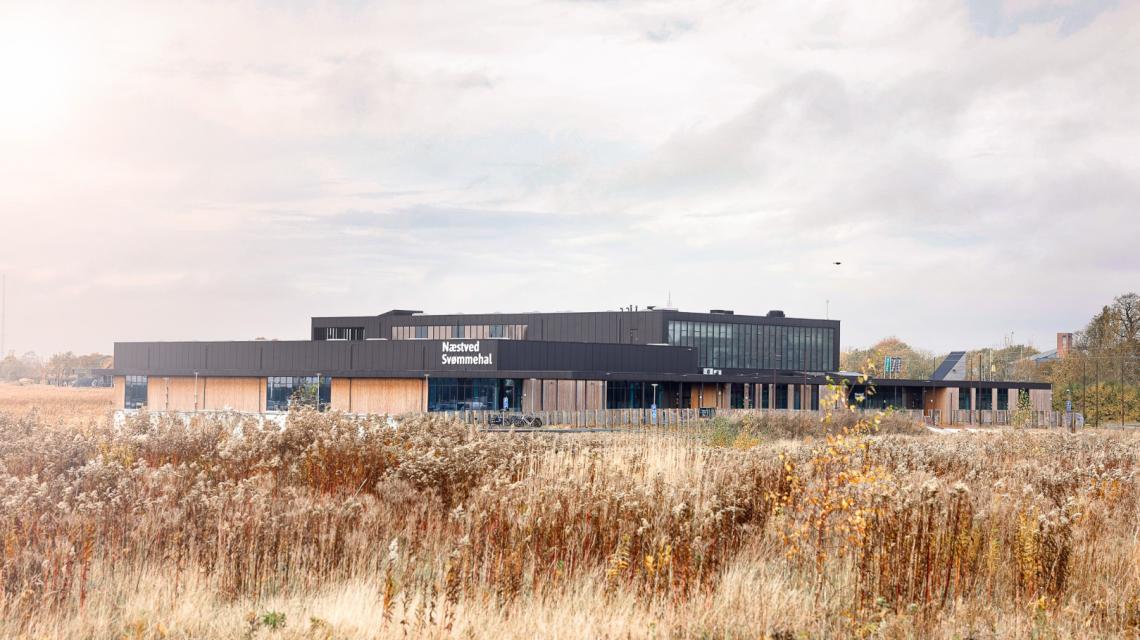
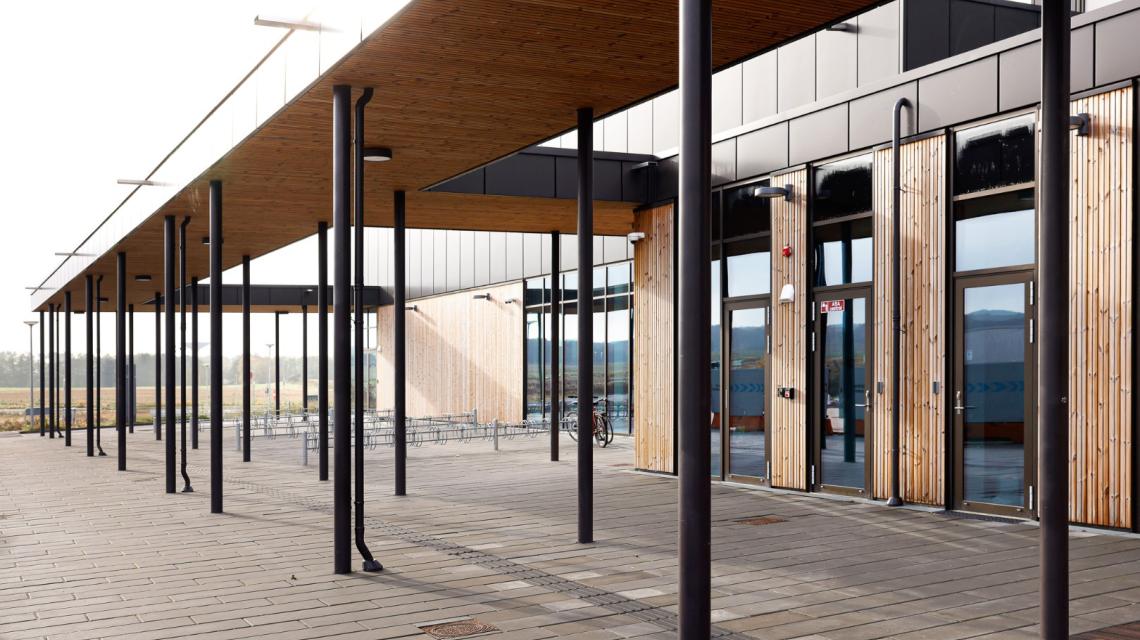
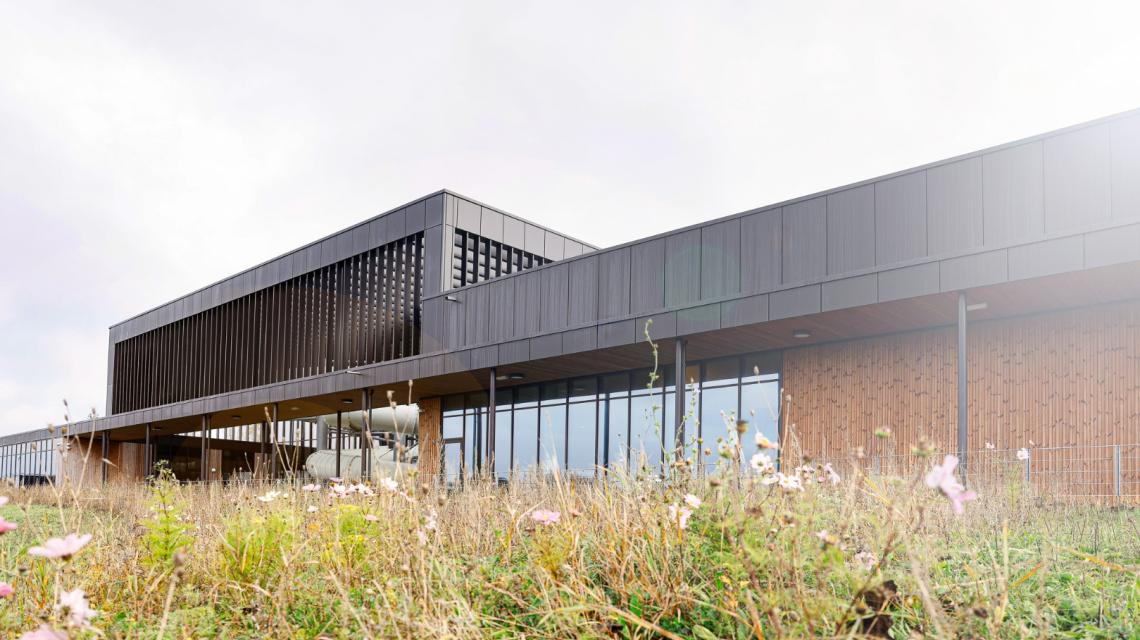
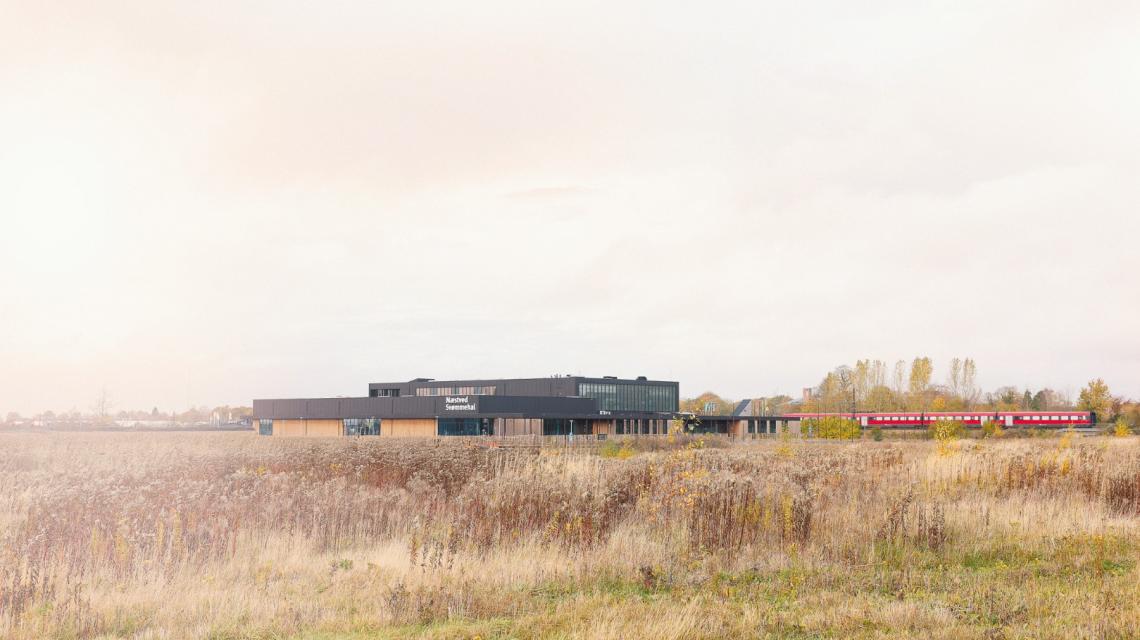
The new swimming facility in Næstved Municipality is a landmark technical building that combines advanced engineering with contemporary architecture. In a design-and-build contract, ISC Consulting Engineers — together with EMCH, GPP Architects, and Jysk Svømmebadsteknik — delivered a fully integrated, interdisciplinary facility totalling 6,975 m².
The building is distributed across three stories: a basement level housing technical rooms, water-treatment systems, and staff facilities; the main pool level; and a technical upper floor accommodating the large ventilation systems.
The swimming facility is intended to serve as both a sporting and architectural beacon for Zealand, supporting the ambition to create some of the country’s best conditions for competitive swimming.
Architecture and Structures in One Unified Expression
A defining feature of the facility is its striking exposed structural elements: glulam beams with large spans, robust concrete columns, and raw concrete surfaces. These structures are not merely load-bearing components — they form integrated architectural elements that give the spaces character, rhythm, and durability.
Beneath the raw surfaces lies a complex network of technical installations essential to the facility’s operation. A strong focus was placed on integrating visible installations into public areas in a functional and aesthetically refined manner. In the basement, installations are left visible and organised methodically to ensure easy access, inspection, and replacement.
Installations: The Hidden Complexity
Behind the building’s raw architectural expression lies an intricate mechanical landscape. The coordination of water treatment, ventilation, plumbing and electrical systems required meticulous clash detection within a unified 3D model. The space-claim work was highly complex but critical to fitting extensive technical installations into a building with limited installation volume.
Advanced Indoor Climate Design: CFD as an Analytical Tool
The indoor climate of a swimming facility is one of the most technically demanding engineering disciplines — due to requirements for user comfort, energy efficiency and health considerations. ISC conducted comprehensive CFD analyses of airflow patterns in the pool areas to design a ventilation system that is both energy-efficient and maintains high air quality.
The chosen solution was based on the client’s strong desire to preserve the facility's aesthetic expression without compromising indoor climate performance. The final design integrates supply-air grilles elegantly into the side plinths along the pools, with extraction positioned centrally in the pool walls.
The CFD analyses were used to optimise:
- Air movement across the water surface
- Removal of THMs (trihalomethanes) and other volatile compounds
- The balance between water temperature, humidity and evaporation
- Prevention of cold downdrafts and stagnant-air zones
- Comfort levels for both elite and recreational swimmers, as well as spectators on the promenade deck
THMs are by-products of water disinfection that naturally evaporate into the air. It is therefore crucial that airflow across the pool surface is sufficiently strong and evenly distributed to remove these compounds from both the water and the users — without creating draughts.
Smoke Tests: Making the Indoor Climate Visible
As part of the commissioning process, smoke tests were performed in the finished pool areas. The tests visualised airflow direction and velocity and confirmed that the designed ventilation system performed as predicted by the CFD models.
The smoke tests demonstrated:
- Uniform uplift and airflow above the water surface
- No dead zones with stagnant air
- Effective removal of moisture and THMs from the pools
- Correct interaction between the supply-air plinth diffusers and the extraction strategy
Role of the Consultant
Engineering consultant for the design-and-build contractor, including:
- Structural engineering
- HVAC and ventilation
- Electrical and low-voltage systems
- Fire safety
- Responsibility for design management and coordination of all technical disciplines
- Responsibility for commissioning management and quality assurance of technical systems
- Preparation of concept, authority, and execution design phases
- Close collaboration with the architect and client to ensure holistic and operationally optimised solutions